logo
  • Intelligence Dimension

    
    • FDA Grain Safety & BRC Regs

    • Electrode Baking & Air-Fry Thermo

    • QSR Supply Chain & Coating ROI

  • Food Coatings & Breadings

    
    • Japanese Panko & Tempura Batters

    • Air-Fryer & Microwave Crisp Coatings

    • Pre-seasoned Batter & Breading Systems

  • Grain Milling & Processing

    
    • 100% Pure Cornmeal & Degermed Flour

    • Industrial Wheat/Tapioca Modified Starches

    • Bakery & Gluten-free Flours

  • Breading & Coating Machinery

    
    • Electrode Baking Panko Lines

    • Panko Slicers & Fluid-bed Dryers

    • Auto Battering & Breading Machines

  • Grain Sorting & Inspection

    
    • AI Optical Grain Sorters

    • X-ray & Metal Detectors

    • Pneumatic Conveying & Dosing

  • Moisture-proof Packaging

    
    • Vertical Form Fill Seal Machines

    • High-barrier Co-extruded Films

    • MAP Packaging & Multihead Weighers


Location: Home > Grain Milling & Processing

Search
  • 00

    0000-00

    Milling Technology Investment: What Drives Operating Cost, Throughput, and Payback
    Milling technology investment affects far more than equipment price. Learn what drives operating cost, throughput, particle control, and faster payback to improve margins.
  • 00

    0000-00

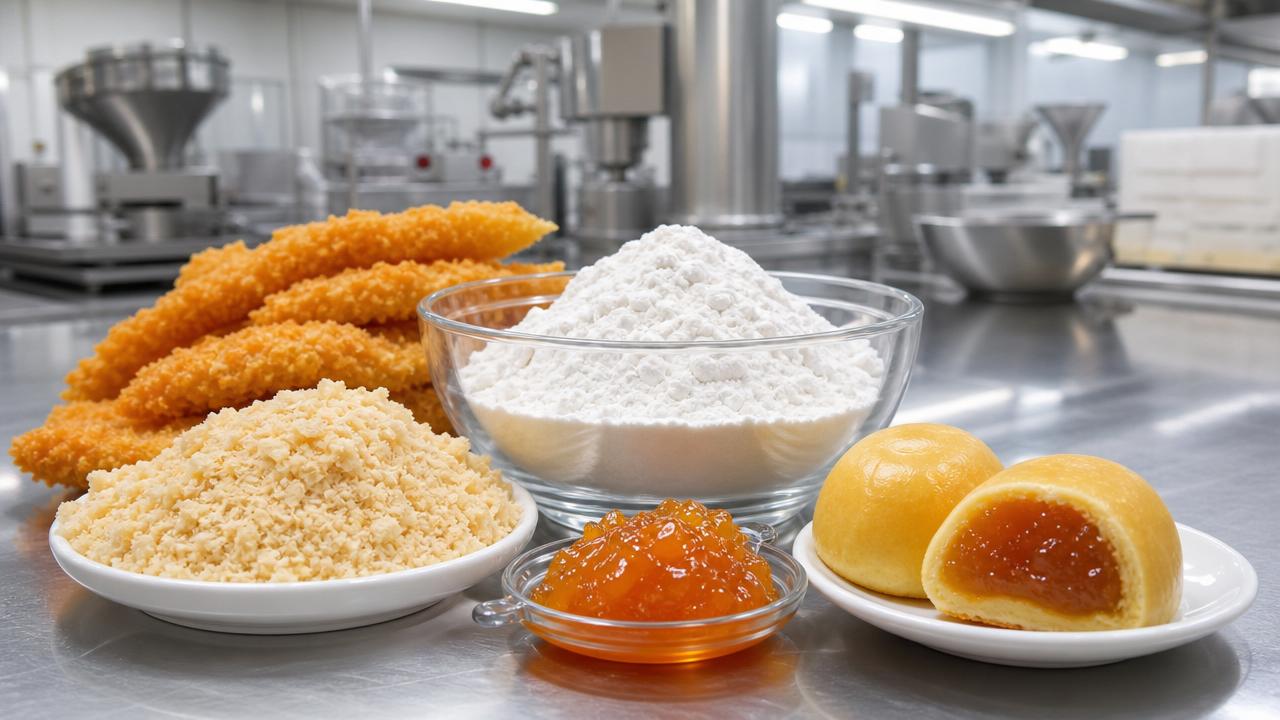
    Tapioca Modified Starch Uses in Coatings and Bakery Fillings: Selection by Function
    Tapioca modified starch selection starts with function. Learn how to choose the right grade for coatings and bakery fillings to improve texture, stability, and cost-in-use.
  • 00

    0000-00

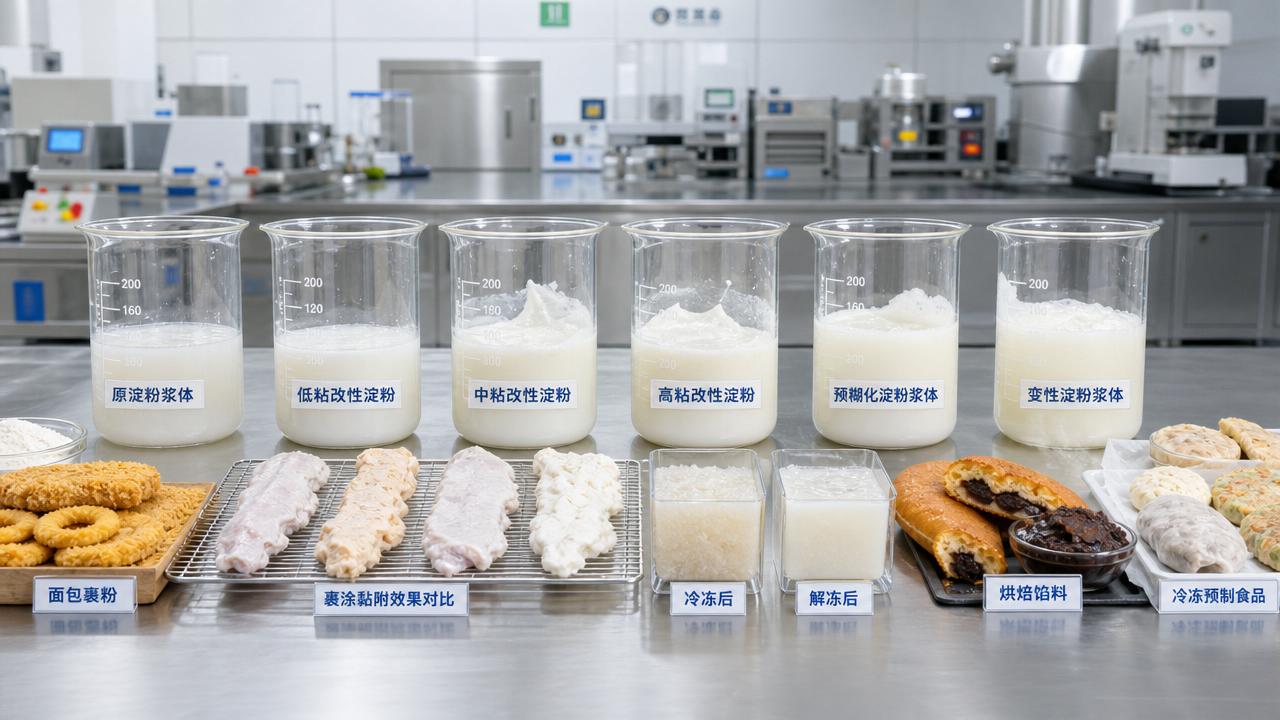
    Starch Modification Methods Compared: How They Affect Viscosity, Binding, and Freeze Stability
    Starch modification compared: learn how each method changes viscosity, binding, and freeze stability in coatings, bakery, and frozen foods to improve process control and product performance.
  • 00

    0000-00

    Why Particle Size Distribution Matters in Flour Performance and Process Stability
    Particle size distribution directly affects flour absorption, flow, texture, and line stability. Learn how better control improves consistency, reduces risk, and supports reliable production.
  • 00

    0000-00

    Roller Milling vs Stone Milling: Which Produces More Consistent Flour Quality?
    Roller milling vs stone milling: discover why roller milling delivers more consistent flour quality, tighter particle control, and better batch repeatability for modern production.
  • 00

    0000-00

    Bakery Ingredients for Better Texture and Shelf Life: What to Use and When
    Bakery ingredients for better texture and shelf life: learn what to use, when to use it, and how to match enzymes, emulsifiers, starches, and packaging to real baking challenges.
  • 00

    0000-00

    Corn Milling Process Guide: From Cleaning and Degermination to Final Granulation
    Corn milling guide covering cleaning, conditioning, degermination, grinding, sifting, and final granulation. Learn how to improve yield, purity, and product consistency.
  • 00

    0000-00

    How to Choose Bakery Flours for Industrial Production: Protein, Ash, and Absorption
    Bakery flours for industrial production: learn how protein, ash, and absorption affect dough stability, yield, and consistency to choose the right flour with confidence.
  • 00

    0000-00

    Gluten-Free Flours Explained: Which Types Work Best for Bread, Cakes, and Batter?
    Gluten-free flours explained for bread, cakes, and batter: compare rice, oat, sorghum, corn, and starch blends to choose better texture, stability, and performance.

    Trending in Tech

    • Milling Technology Investment: What Drives Operating Cost, Throughput, and Payback
      Milling Technology Investment: What Drives Operating Cost, Throughput, and Payback
      Jun 17, 2026
    • Food Processing Technology Upgrades That Improve Yield, Hygiene, and Changeover Time
      Food Processing Technology Upgrades That Improve Yield, Hygiene, and Changeover Time
      Jun 17, 2026
    • Tapioca Modified Starch Uses in Coatings and Bakery Fillings: Selection by Function
      Tapioca Modified Starch Uses in Coatings and Bakery Fillings: Selection by Function
      Jun 17, 2026
    • Starch Modification Methods Compared: How They Affect Viscosity, Binding, and Freeze Stability
      Starch Modification Methods Compared: How They Affect Viscosity, Binding, and Freeze Stability
      Jun 17, 2026

    Weekly Insights

    Stay ahead with our curated technology reports delivered every Monday.

    Subscribe Now

    GFCMS

    Global Food Coating & Milling Systems (GFCMS) is a specialized B2B intelligence portal focused on food coating ingredients, breading systems, Japanese Panko, modified starches, cornmeal, grain milling, battering and breading machinery, grain sorting, food inspection, and moisture-proof packaging systems. The platform serves food ingredient manufacturers, grain millers, frozen food producers, quick service restaurant suppliers, snack manufacturers, bakery companies, coating system producers, food machinery suppliers, procurement teams, exporters, investors, and food safety professionals.
    GFCMS covers the ingredients, machinery, and quality-control systems that help food manufacturers create consistent texture, crispiness, adhesion, purity, shelf life, and production efficiency. Its main content areas include authentic Japanese Panko, needle-shaped breadcrumbs, air-fryer coatings, batter systems, breading blends, modified starches, cornmeal milling, refined flours, roller mills, particle size control, electrode baking lines, Panko shredding machines, batter applicators, breading machines, optical sorters, X-ray inspection systems, aflatoxin control, allergen separation, VFFS packaging, nitrogen flushing, high-barrier films, and MAP packaging for dry food ingredients.
    The platform is designed to answer practical production and procurement questions: how can Panko create a lighter and crispier fried texture, how can modified starches improve air-fryer coatings, how can milling systems achieve consistent particle size, how can automated breading lines improve adhesion and reduce waste, and how can packaging protect dry coatings from moisture during global shipping? GFCMS connects starch chemistry, grain processing, ohmic heating, coating adhesion, food safety, inspection technology, packaging protection, QSR consistency, and supply chain trust into one professional intelligence framework.
    GFCMS provides industry news, technology analysis, compliance insight, supplier visibility, market trend reporting, application case interpretation, and digital authority-building content. It explains topics such as starch gelatinization, vaporization-driven crispiness, fat absorption control, Panko electrode baking, roller milling, micron-level particle sizing, AI optical sorting, X-ray contaminant detection, FSMA preventive controls, BRC allergen separation, MAP nitrogen flushing, and QSR oil-life optimization.
    For manufacturers and exporters, GFCMS provides a professional platform to communicate ingredient performance, machinery capability, food safety systems, packaging reliability, project cases, and global supply readiness. For buyers and food brands, it supports supplier evaluation, ingredient selection, equipment comparison, compliance review, and product development decisions.

    Industries

    • Moisture-proof Packaging

    • Grain Sorting & Inspection

    • Breading & Coating Machinery

    • Grain Milling & Processing

    • Food Coatings & Breadings

    • Intelligence Dimension

    Get to know us

    • Privacy Policy

    • Links

    • Contact Us

    • Home

    Copyright © Global Food Coating & Milling Systems

    Site Index